AI workflow automation works best when a business can explain the task, identify its inputs and recognise a correct result. Start with a bounded activity such as classifying enquiries or preparing a draft summary. Giving an AI system responsibility for an entire department makes errors harder to discover and improvements harder to measure.
Map one workflow before choosing tools
Write down who starts the process, which systems hold the information and who approves the outcome. Include exceptions: missing attachments, duplicate requests and conflicting customer details. A process that only describes the happy path is not ready for automation.
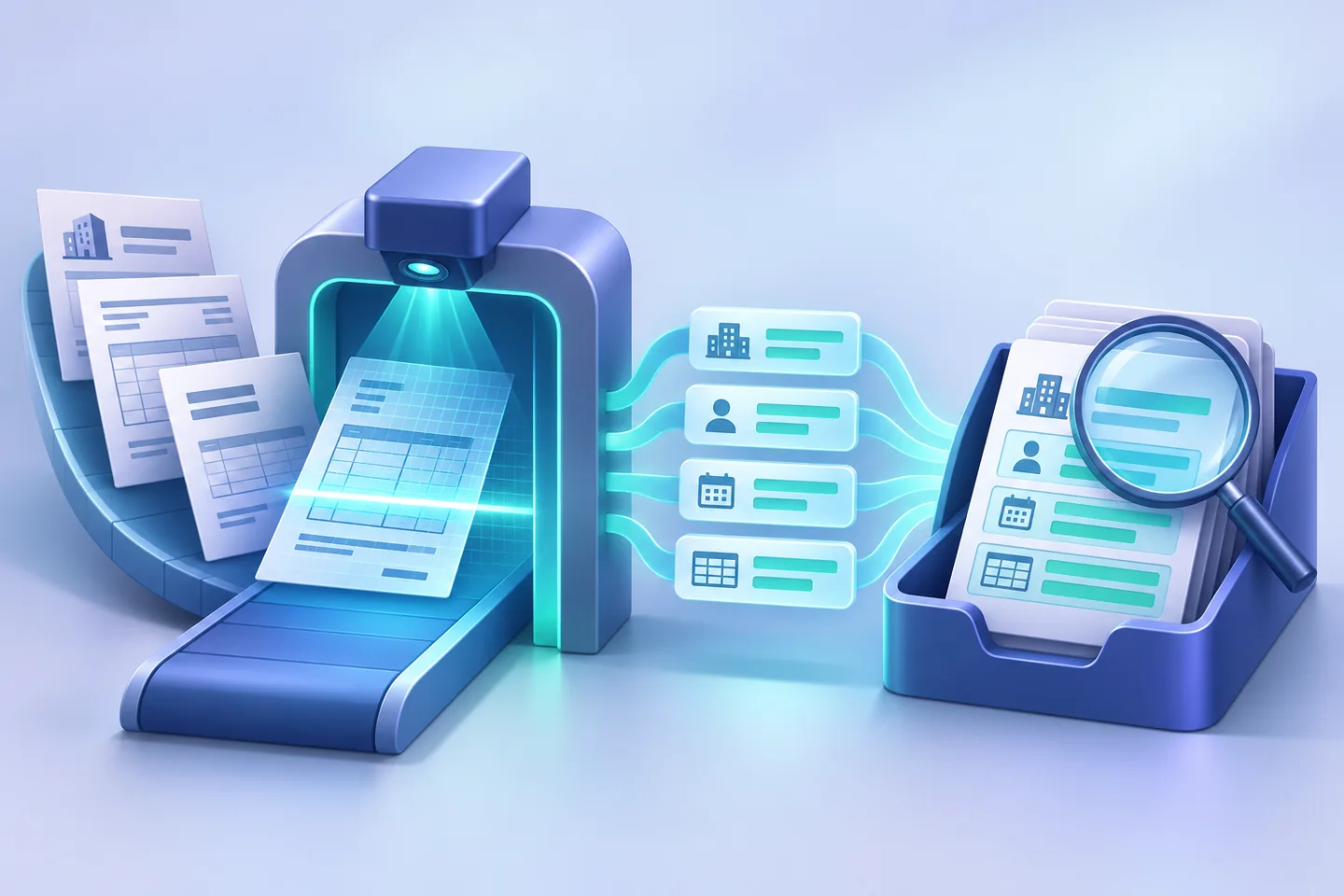
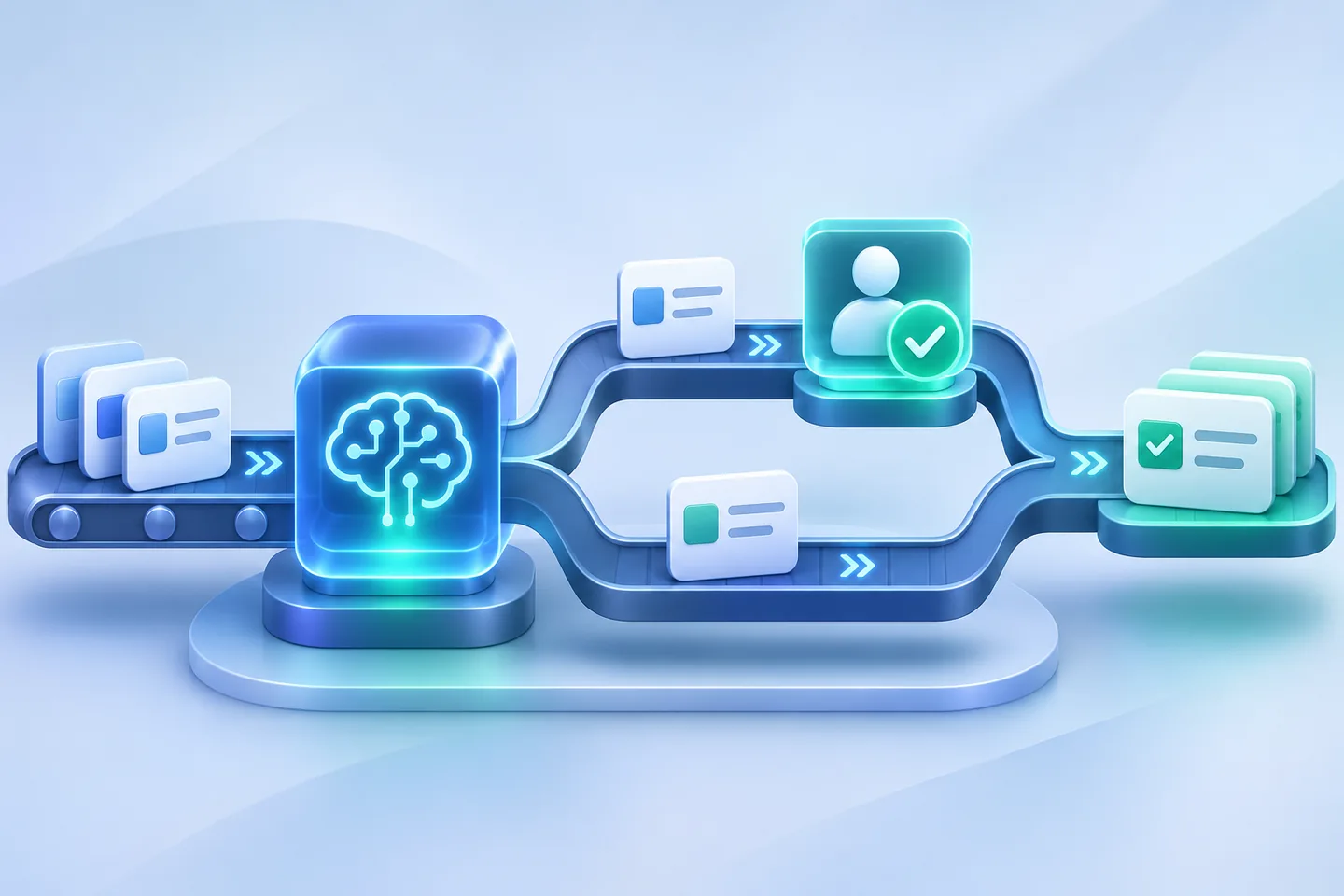
For example, a distributor could use AI to classify emailed quotation requests. A conventional rule can check whether a customer account exists; a model can suggest the product category; a sales employee can confirm the response. These tasks need different levels of judgement.
Separate suggestions from business actions
Drafting a message and sending it are different permissions. Begin with suggestions that a person can inspect. Require explicit approval before changing customer records, accepting orders or issuing refunds. Keep a record of the input, proposed action and final decision.
Treat text in documents and emails as untrusted input. A model should not gain new privileges because an incoming message tells it to ignore instructions. Limit tool access and check permissions in application code.
Measure the pilot against existing work
Record handling time and correction rates before the pilot. During evaluation, count exceptions, rejected suggestions and the time spent reviewing output. Include model usage, integration maintenance and staff training in the operating cost.
Choose an expansion rule before launch: the pilot should meet an agreed quality threshold and have a reliable fallback. If review takes longer than manual processing, simplify the task or improve the input data before adding more agents.
Frequently asked question
Does every automation need AI?
No. Fixed rules are usually easier to audit for predictable calculations, status transitions and required-field checks. Use AI where interpreting variable language or documents adds value.
Discuss your project
Explore our AI agents and automation services or contact Chronex Technologies with your current workflow, integration requirements and launch priorities. A useful first conversation should identify the smallest workable release, the main risks and how success will be measured.