API integration design is the work of keeping two systems consistent even when requests fail or arrive out of order. A successful test request proves connectivity, but it says little about how an integration behaves during an outage or a repeated event.
Define ownership and data contracts
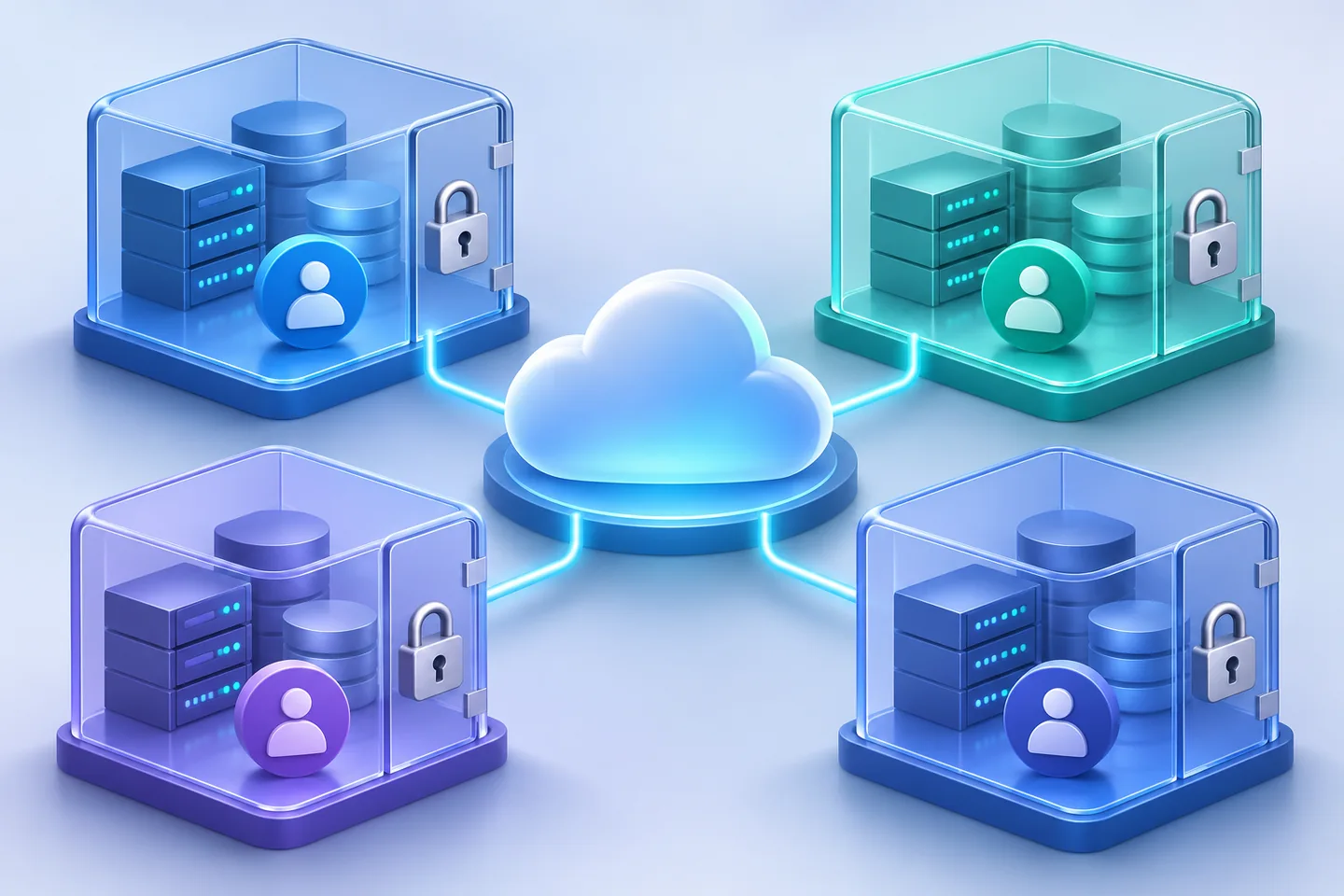
Identify the system of record for each field. If the CRM owns a customer’s email address, document whether the billing system may change it. Avoid circular updates in which each system repeatedly overwrites the other.
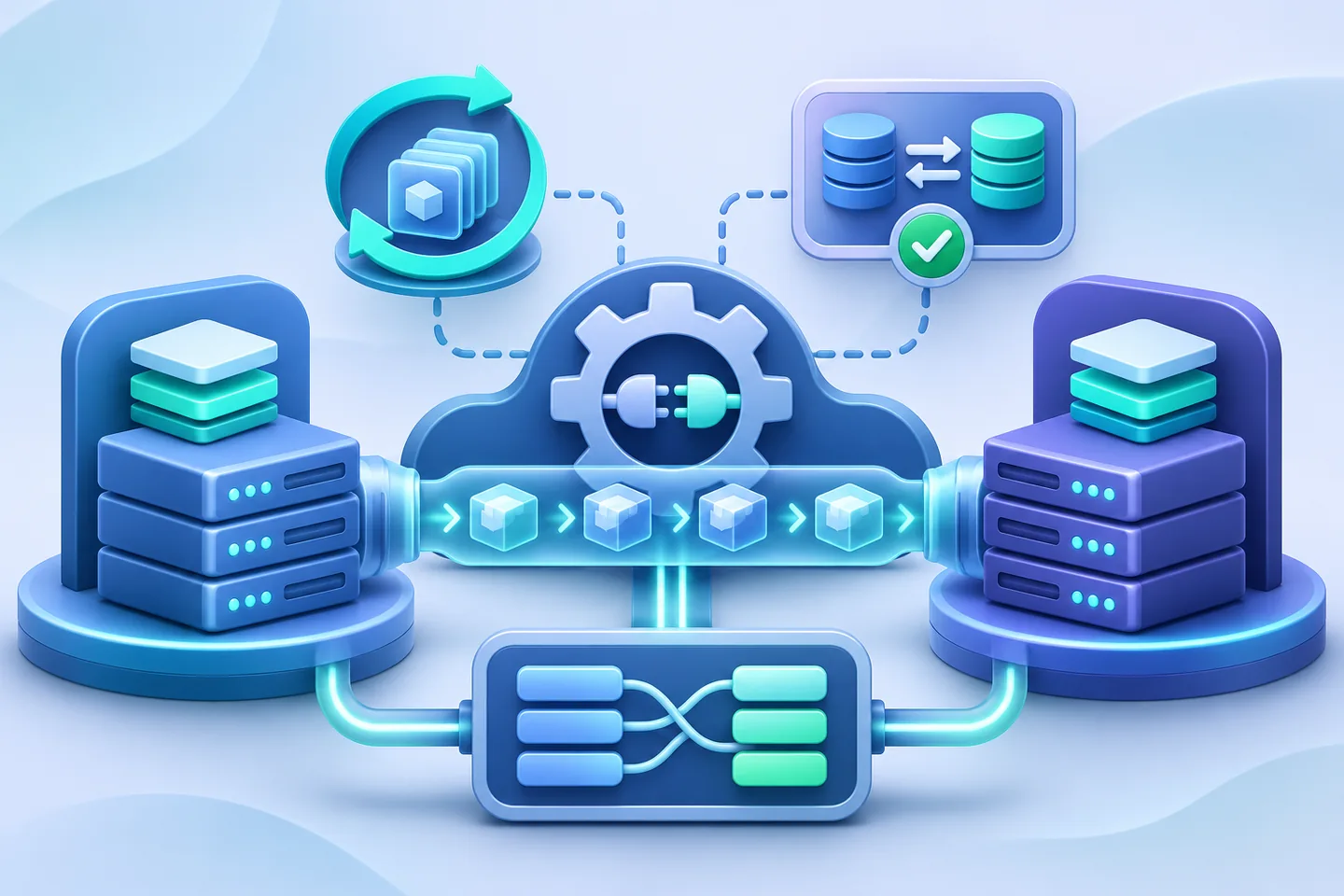
Create explicit mappings for identifiers, currencies, timezones and status values. Unknown values should generate an actionable exception rather than silently becoming a default. Keep sample payloads that cover missing and optional fields.
Make failure behaviour predictable
Set connection and response timeouts. Retry transient failures with a bounded policy, but route invalid data for correction. Use stable operation identifiers so a repeated request does not create a second order or payment.
Verify webhook authenticity and record event identifiers before processing side effects. Expect duplicates and delayed events. A later-arriving event may describe an earlier state, so compare business transitions rather than assuming arrival order is correct.
Reconcile and observe the integration
Maintain a processing ledger with enough context to investigate failures without logging secrets. Provide a view of stuck records and a safe replay action. Assign someone to handle exceptions rather than letting them disappear into server logs.
Run reconciliation against the source system for important transactions. Webhooks are useful notifications, but a periodic comparison can discover missed events. Test revoked credentials, rate limits and temporary partner outages before calling the integration production-ready.
Frequently asked question
Are webhooks enough to guarantee synchronisation?
No. Receivers can be unavailable and delivery can be duplicated or delayed. Combine event handling with durable records, safe retries and reconciliation for important data.
Discuss your project
Explore our custom software development services or contact Chronex Technologies with your current workflow, integration requirements and launch priorities. A useful first conversation should identify the smallest workable release, the main risks and how success will be measured.